One of my all-time favorite songs is All My Best Friends Are Metalheads. The lyrics discuss how the easiest way to understand someone is to pretend they are not you. But along with some sick horns, the wildest thing to me remains the sample from Victor Lundberg’s A Letter to My Teenage Son — a Billboard Top 10 bop from 1967.
In the dirge, a Lundberg speech is set over The Battle Hymn of the Republic. It argues that opposition to American wars, capitalism, and the general state of racism was eventual treason to that generation’s conceptualization of freedom. Lundberg then encourages all teenage sons to burn their birth certificates along with the en vogue act of their draft cards.
As out-of-date as the perspective should take you, Less Than Jake’s chosen sample contains an authentic, if also silly, lyric from Lundberg’s chart-topper. It provides me some solace that the Silent Generation was more than capable of self-reflection about the negative consequences of their perspective.
This is a fair request
And I promise that I will not judge any person only as a teenager
If you will constantly remind yourself that some of my generation
Judge people by their race, their belief, or the color of their skin
And that this is no more right
Than saying all teenagers are drunken dope addicts or glue sniffers
I am bipolar. In this article, I use the term bipolar disorder for comprehension and not judgment. Previous to the diagnosis, my perception of bipolar individuals was not great. So it becomes a rather wild experience to learn you belong to that group. But when you learn more about the fourth letter of your greek alphabet, the shocking takeaway becomes that Sam Jay bit about how no one ever discussed it with you.
Because there are real signs and everyone would be better served not only to point them out but to calm down. I am less than two years removed from the diagnosis but ask your attention to the fact that bipolar disorder is not a mental illness.
If you have lived in a Windows world like iOS, you can approach this concept.
To express a simple example, I remember an interpretation of an elementary school sponge-based art assignment. It drew rave reviews during construction. Everyone was sliding so I splotch. It was not better, it was just different. And different can get carried away.
It all comes crashing down when the overeager application of the color black ruins the effect. A complete ‘instance’ ensues and etches itself into memory. I ricochet into the recent passing of a great-grandmother, the loss of two family dogs, but, of course, also the painting. What everyone else saw.
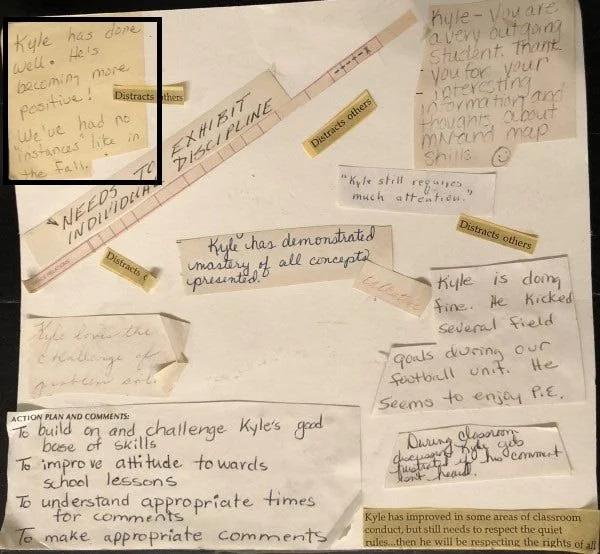
Others become well versed in these adverse reactions — they even egg them on. I am made fun of for crying because that is not what boys do. What I cannot gather at the time is why my anger, at myself and others, turns to tears when others produce fists. Looking back, this is evidence suggesting my existence with bipolar disorder. More are strewn throughout my life.
Neurodiversity is a concept first proposed by Judy Singer around the turn of the 21st century. It articulates that we should not assume a consensus mental state, processing ability, or social calculation amongst the others we encounter. That this assumption actively harms those in our society who do not conform to what is perceived as the ‘correct’ mental state.
In my opinion, the disorder has affected others in incredibly negative ways put upon them by our society. What I am left to wonder about is how and where that will be true for me and others.
Because it is not a matter of if, but when.
“[Being bipolar] has, on several occasions, nearly killed me, does kill tens of thousands of people nearly every year. Most are young, most die unnecessarily, and many are among the most imaginative and gifted that we as a society have.” — Kay Redfield Jamison
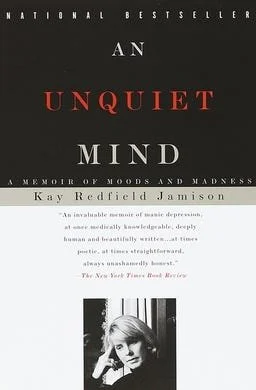
Kay Redfield Jamison published An Unquiet Mind in 1995 to detail her research on bipolar disorder and the ostracisation she received within the field after being open about her diagnosis. She tells the story of her life, and that of her family, and then goes on to discuss the early patterns and genetic components within families with a reoccurring display of bipolar disorder.
I wish I had learned of it much, much sooner. The diagnosis is hard to receive at thirty-five. My advanced age diagnosis has been difficult to process. You realize how your personal and professional relationships are impacted and have been set upon you unaware.
“It took me far too long to realize that lost years in relationships cannot be recovered. That damage done to oneself and others cannot always be put right again. That freedom from the control imposed by medication loses its meaning when the only alternatives are death and insanity.” — Kay Redfield Jamison
The most honest I can be about being bipolar is that it makes you wonderful, awful, but original too. I see now that:
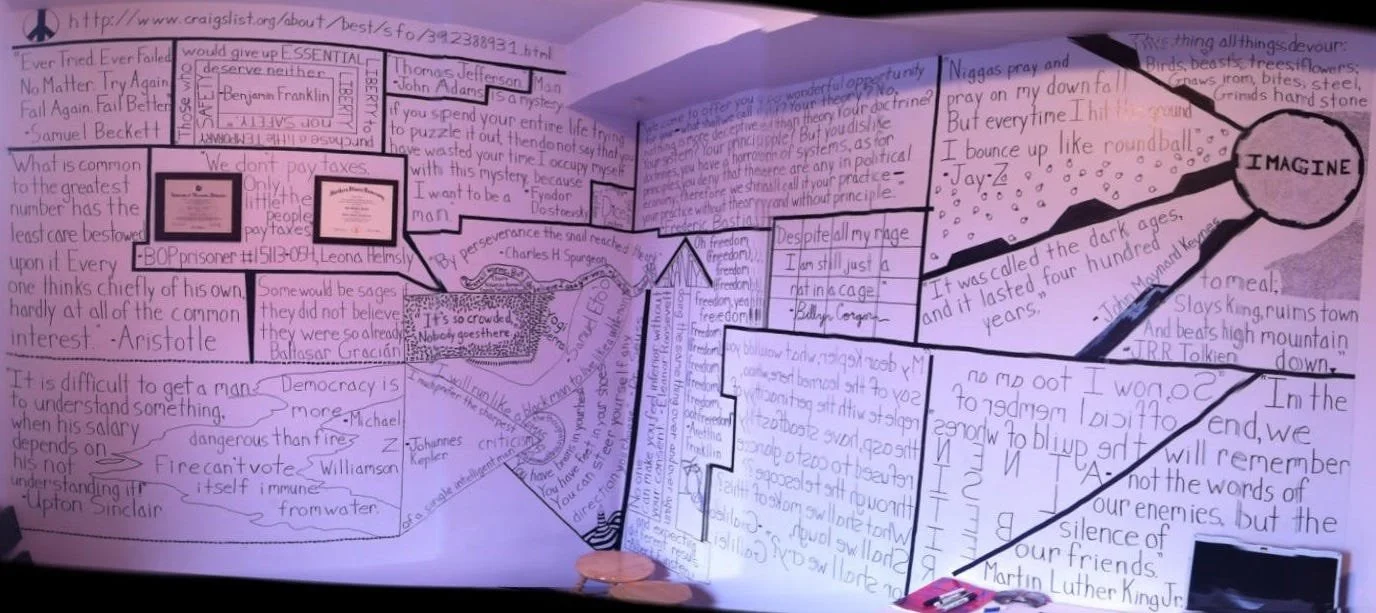
- The two-walled mural pictured at the top of this piece reflects the prolonged mania I sought refuge in following a breakup.
- A five-month fitness plan to demonstrate general real-world competency following a poor employment experience at a terrible company.
- Various written flights of fancy I plan to continue exploring.
These items all reflect what I, as an individual who is bipolar, can produce. There are many more people who are bipolar who do so as well. What is important to me in this article is to attest that Redfield’s statements above are of supreme accuracy. If you learn anything from this article, please make these statements your takeaways. While I am happy to be on medication, I still see the value in my manias as inherently useful and place my trust in others to question my logic in pursuing them.
This is a fair request. And I promise that I will not judge any person only as normal or whatever you want to be called. If you will constantly remind yourself that some people with bipolar utilize their brain to sow chaos, act upon temporary beliefs, or cause mental harm. But that this is no more right than to interpret that these people set out with those aims or that their contributions detract from the beauty and fun in our world.
I have other stories to tell you!
A Story About Carrie Evans — Talking to Strangers Named Sandra Bland
Originally published on Medium.