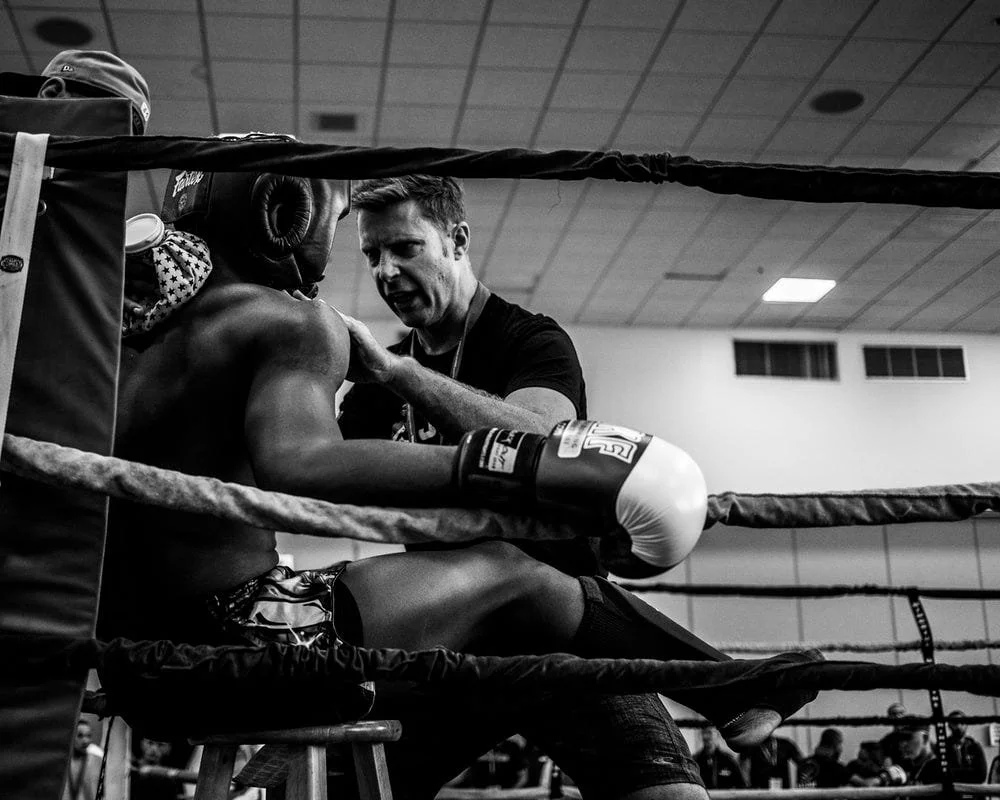
On June 16th, 2020, Pushkin Industries fully released the second season of the Against the Rules podcast by Michael Lewis. The Moneyball, Liar’s Poker, and Flash Boys author utilized a questionable logo to represent the show’s willingness to explore the underpinnings of the modern orthodoxy of coaching and how it has evolved against and despite convention.

To begin, Lewis asks his listeners to remember the 1924 Olympics, where coaching was banned. Specifically, he asks his listener to consider the 100m final depicted in Chariots of Fire.
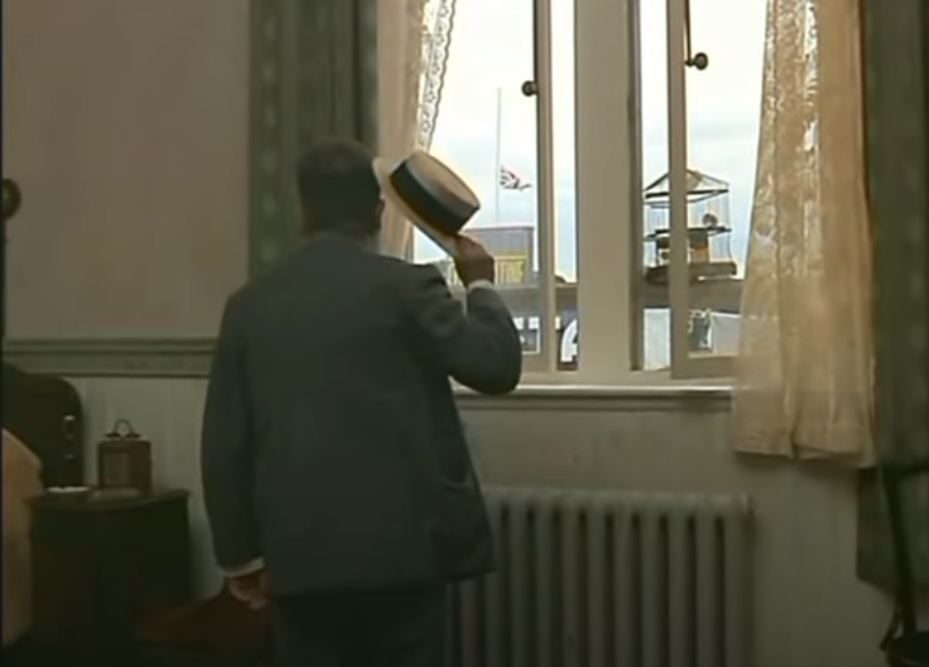
“[Chariots of Fire] has one of the best coaching scenes ever filmed. Harold Abrahams, a British Sprinter, is about to run the 100 Meter Final in the 1924 Olympics. His coach gazes out of his hotel room window at the stadium next door.
The Pistol Sounds.
[Sam Mussabini] watches the sky over the stadium. Then he spies the British flag rising. That’s how the coach learns that his runner has won the gold.” — Michael Lewis
Lewis ask his listener to doff the Olympic coaching ban as an overgrown orangutang drops weights at the gym. From here, Lewis sets about the long discovery process of what makes a successful coach.
Everyone Plays, But Good Coaching is Stratified
In an ancillary interview delivered with the second season, Lewis introduces Pushkin Industry co-founders Malcolm Gladwell and Jacob Weisberg to talk briefly about how their CEO coach Michael Lynton helped them to effectively run their business during the onset of the COVID-19 crisis earlier this year. While it might seem strange for a CEO to be coached, Michael Lewis is convinced that coaching has spread to every facet of American life.
Most modern coaching is also a response to the game inherent in American culture. Lewis discusses this in his third episode as he interviews students and their coaches from ScholarMatch, a non-profit which helps low-income and first-generation students achieve a better graduation rate than the national average. At ScholarMatch, the students “receive the critical combination of 1:1 advising by staff, strategic scholarship support, and career mentoring to support their path all the way to college graduation and into a meaningful career.” ScholarMatch succeeds because, in addition to providing financial support, it also provides good coaching.
But Lewis argues good coaching is not available to everyone in episode one. “The problem,” Lewis ponders as it relates to personal finance, “is that people pay bad coaches, not good ones.” Who are these bad coaches? Citing incentives that, in 2018, led Americans to pay almost $104 billion dollars in credit card interest and fees, Lewis argues that credit card companies are fantastic examples of bad coaches.
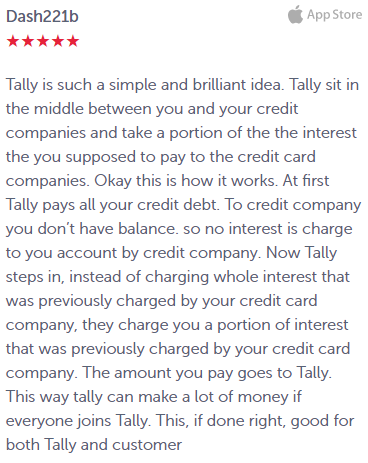
To demonstrate how a better financial coach might act, Lewis revisits a prominent individual from season one of the show. Once reeling in student & credit card debt, we follow her down a path toward financial solvency. The better coach? A new company called Tally which seeks to coach its customers out of debt, earning money only when the customer saves some of their own.
Spoiler: She and her family are planning to buy a house!
Good Coaches Stick to Standards
Lewis begins episode two recounting his high-school baseball coach. If you want to go deeper, Lewis also wrote a book about Billy Fitzgerald. By sophomore year, Lewis is a starting pitcher on Fitzgerald’s varsity baseball team and slated to start a game upon returning from a week-long family trip. It is a performance any starting pitcher would dread. As Lewis is walking consecutive batters, Fitzgerald is bellowing:
“Where was Michael Lewis during Mardi Gras?
Everyone else was at pratice, but where was Michael Lewis?
Can someone please tell me why Michael Lewis thinks it’s okay to leave town and go… and go…”
Skiing. Michael Lewis had left town during Mardi Gras to go skiing with his family. The surprising result of the ridicule? Lewis’s nose is broken in five places by a one-hopper back to the mound. On the way to the hospital, he asks his mother to not take him on any more family trips.
Lewis argues that this and other events with Fitzgerald amounted to feeling cared for in a new way. Throughout the podcast, Lewis explores his interpretation of Fitzgerald’s ethos, that “Privilege corrupts. You’re always doing what money can buy instead of what duty demands. You’re always skiing. You’re living your life as if nothing matters so much that you should suffer for it.”
Learning Still Happens Without Your Coach
A player’s body and mind come well equipped to perform. To illustrate this, Lewis discussed the experience of Timothy Gallwey, a country club tennis-pro turned coaching innovator. In the early 1970s, Gallwey tired of lecturing on proper footwork or the nuances of a player's swing. The lesson he decided to relax on concerned a student learning to hit a backhand with topspin. Gallwey decided to have his player hit backhand without instruction and four minutes later, his player was hitting topspin backhands.
On this development, Gallwey recalls thinking to himself:

“You lazy bum. You missed your chance. If you had only taught him before then you would have gotten the credit for his topspin backhand.” And then I thought, “Wow…” and maybe this is the key point. “I’m more interested in teaching than I am in the student learning.”
Gallwey continued down the path of least instruction until one of his players suggested he write a book. Gallwey’s then hazier revelation — that a tennis coach could over-coach — propelled him to write The Inner Game of Tennis. To Gallewey’s and his publisher’s surprise, the tennis book sold well for the other lessons it taught. In the podcast, Lewis discusses how those insights are being used to help businesses, firefighters, orchestras, and even his daughter.
The Emotional Stages of Good Coaching
In the series’ last episode, Lewis meets Eric Vetro to coach/goad him into singing again — a massive fifth-grade fear for the author. A world-class vocal instructor, Vetro has coached Bette Midler, John Legend, Ariana Grande, Maisie Williams, and many others.
Upon reviewing the recordings of their practices, Lewis disseminates the five stages he believes his relationship with his coach took before he was able to successfully sing again.
Stage One: Mutually Beneficial
Being honest about your goals will help the coach determine if they can help you. If they cannot tell you how their coaching will improve you — their ‘edge’ — they may not be the coach you are looking for. Similarly, your coach has to believe the endeavor to be fruitful. While Vetro believes Lewis coachable, he relays a story about turning down a prominent actor because, in Vetro’s opinion, the man was tone-deaf.
Stage Two: The Coach Gradually Takes Control
Vetro notices carbonated water. He calls Lewis out on drinking the beverage during rehearsal. The coach also routinely has to remind Lewis not to blame poor performance on inability. This controlling behavior exists because the coach has ruled changing these behaviors is essential to improving Lewis’ signing performance.
Stage Three: Buy-in
Anxiety is replaced by the commitment to trying something new. Lewis best shows the buy-in process during episode four with now Major League Baseball pitcher Matt Boyd. When Matt first heard of Driveline Baseball from a fellow pitcher, he was an unheralded, injured, minor league pitcher coming off a terrible season. At Driveline’s facilities, Boyd received training based on concepts first observed by the high-speed cameras Driveline uses to analyze a pitcher’s performance. Boyd essentially moved into the facilities for an entire off-season, with long-term outstanding results.
Stage Four: Connecting to Your Center
Performance anxiety is replaced by anxiety concerned with pleasing your coach, whatever the conditions of their instruction. Lewis demonstrates this by sharing how Vetro taught him a posture used in ballet classes but repurposed to singing. To hit his highest notes, Lewis will execute an unusual maneuver with his butt. Lewis is happy to execute the movement to please his coach. It might be weird, but it also works.
Stage Five: Wandering About
In the introductory interview, while discussing how COVID-19 is changing people, Lewis posits, “My sense is that we’re building a new muscle or a kind of resilience. Knowing that you can do it another way is enormously freeing.”
This logic applies to good coaching. As practices continue, Lewis still does not consider himself a good singer and does not like the way he sounds. But as he progresses with his vocal lessons, he starts to believe that one day he would enjoy his own song.
And then, one day, it happened.
Michael Lewis reports that he now finds himself wandering the night in song. The result is an impressive itself, but more so when you compare Michael Lewis’s starting to ending performance.
Originally published on Medium.