I trust you will pardon me for being here to speak on politics. I do not wish to force my thoughts upon you, but rather, I have forced myself here to speak. At the end of this speech, I hope to convince you to support two candidates in Chicago’s 2023 elections and will describe how doing so makes you Chicago Kind.
I will also tell you about the Gay Chicago Election Project.
The last time you saw me at Outspoken, I was halfway thru writing a three-article series titled A Story About Carrie Evans. The story covers the before, after, and long-after events following the Mayor of Minot, North Dakota’s choice to fly a Pride Flag at City Hall. The blowback from that decision went off at the next City Council meeting, where Carrie Evans delivered a now-viral speech about the Pride Flag. If you’ve ever heard the phrase, “We’re here, we’re queer, and we’re not going away,” you have heard this speech.
Over the course of the series, I tell the stories of Carrie Evans, the community of Minot, and the flimsy theoretical underpinnings that perpetuate anti-LGBTQ+ sentiment within the state. Having been raised next door in Minnesota, I thought I had a lead on North Dakotan culture. But when I interviewed a director from Magic City Equality, I was unprepared for the intra-state drama bomb he would drop after describing the international response to Carrie Evans’ speech.
“There were people contacting us from Australia, South Africa, all over and telling that they were in support of us and they never knew that things like that were still happening. Because they always heard ‘North Dakota Nice’.”
North Dakota Nice!?
Everybody knows it is Minnesota Nice! And every Minnesotan I have talked to has agreed! But, as I stood witness to a North Dakotan thief coming for my Minnesota Nice, I began taking stock of what the term meant.
After all, what even is nice?
In practical terms, Google defines the adjective as describing pleasant, agreeable, satisfactory, fine, or subtle behavior. Like a bump on a log or a chair over there. That’s, nice. But as I considered it further, I had to ask myself a simple question.
Would anyone describe me, as nice?
When I first moved to Chicago in 2007, I stumbled upon the Chicago Metropolitan Sports Association’s inaugural soccer league. I have played in that league and others ever since. In 2018, I became the Tournament Director for Pride on the Pitch — CMSA’s soccer tournament. During my three years, the event paid local drag queens for their performances and raised around $5,000 for local charities.
That was nice.
But then, in 2019, I decided to run for election to the CMSA’s Executive Board and lost. When I applied to be appointed to the board, I would be the — to my knowledge — only individual not appointed.
That was… less nice.
It seemed odd. But as time passed and pandemics occurred, I, as a dues-paying member of an organization with no financial statement reporting, took up cursory reviews of CMSA’s meeting minutes.
What I found was a bit disturbing.
According to the minutes, the organization owed $43,000 dollars to members over some birds and an audit was well overdue. Additional fraud protections had been deemed too expensive considering the ‘low risk,’ and the organization had collected over $20,000 on members' generosity and government loans.
It was around this time in my life that I told Minnesota Nice to take a hike.
I decided that if a sports league did not want my voice on the executive board, it must belong on the internet. As candidates for the next election to the board were announced, I used that voice to describe what I had read. I further clarified my feelings with rank-choice voting recommendations for members.
The sitting President and Treasurer would both lose and I would find myself appointed to the board. There I learned that, indeed, the Treasurer had stolen a lot of money. After this was discovered, it became my job to determine how much.
…n…ice… 🫠
As I parsed through eight years of suspicious transactions, the pattern between fraud and footballs became clear. Every audit season, the Treasurer would make specific updates to the organization’s Quickbook entries that allowed him to skim submitted audit reports of his stolen funds. While this accomplished the Treasurer’s task for a time, the process crumbled as he scrambled to backdate and reassign checks after a surprise electoral loss.
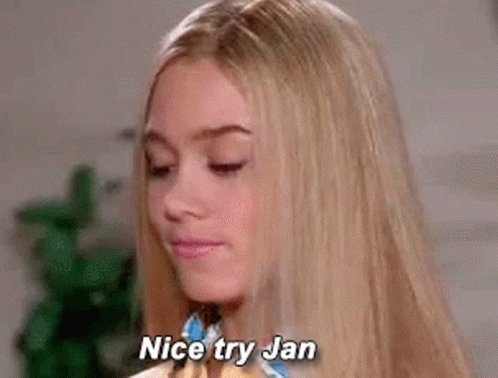
After the case was settled in March last year, the total amount stolen would sum to $146,215.93. Per the settlement and based on minimum payments, CMSA will receive all stolen funds back, plus $53,917.57 in interest, by 2038.
Minnesota Nice! Right?
Mmm, No. There is a better phrase to describe my accomplishment. I call it Chicago Kind.
Google defines kindness as being friendly, generous, and considerate. Thereby, Chicago Kind is a slogan I can get behind. Was it friendly to inform other CMSA members that their fiduciaries did not deserve their trust? Yes. Was it generous to volunteer my time to determine how much money was stolen? Yes. Was it considerate to wait almost two years to share the experience? Absolutely.
But outside of local gay sports administrative events, how valuable is this concept of Chicago Kind? With elections fast approaching, we will receive new data that, I believe, can be used to determine how Chicago Kind each neighborhood is in 2023.
While most American governments have elections, not all elections are contested. But just because an election is uncontested does not mean the candidate gets one vote from every ballot. While being Chicago Kind is not a measurement, my proposed Kindex is.
Kindex Score for Uncontested Races =
Total Votes / Total Ballots Cast
To get your precinct, ward, or city-wide Kindex Score, take all votes for an uncontested candidate and divide it by the total ballots cast within your chosen municipal unit. Or, download mine here. Provided my metrics pass your muster, we can then determine how kind a population is because voting for uncontested candidates is kind — it is friendly, generous, and considerate. I cannot suppose what skipping this vote says about a person, but for my purposes, I am only interested in those who fill out their ovals.
Given that we await further Kindex data, I will take you back to 2019 to show examples of what this measurement can tell us. When running for City Clerk, Anna Valencia achieved a 47% Kindex Score on a city-wide basis. As such, Ms. Valencia holds a unique distinction of not receiving enough votes to attain a majority of ballots cast, but still winning her race.
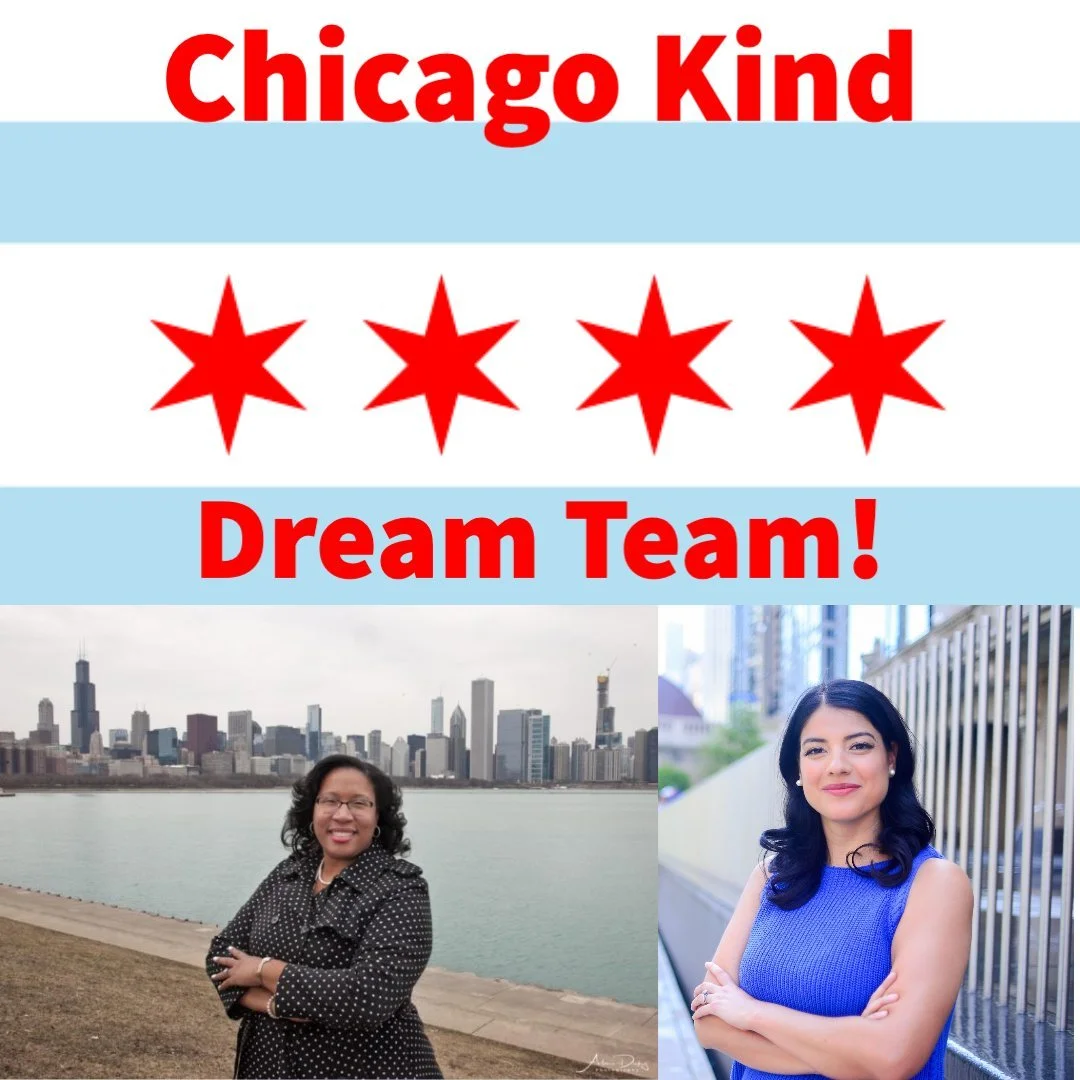
So, while political endorsements given onstage to a captive audience might appear garish, I ask you today to vote for Anna Valencia for City Clerk and Melissa Conyears-Ervin for City Treasurer. The future of Chicago Kind and the Kindex depends on it.
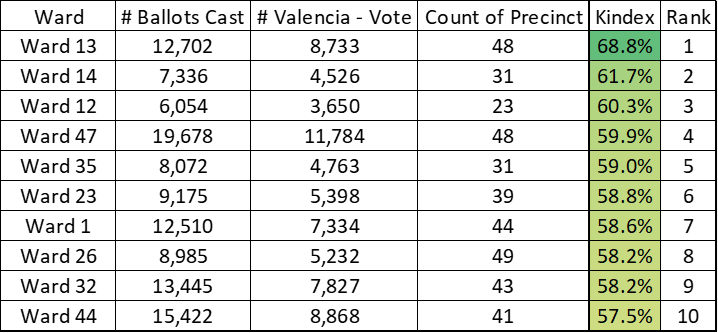
But I shouldn’t let you go without another helping of data to satisfy any further Kindex cravings. Here is what else the Kindex tells us about 2019. As it turns out, Chicago’s South-West side (defined as the 12th, 13th, and 14th Wards) is the city’s kindest by a substantial margin.
This should not suggest there are no Kindex Awards for the north side of Chicago. If your home sits in Andersonville at the 5200 to 5400 blocks between Glenwood and Lakewood, Congratulations! You live in the third-kindest precinct in all of Chicago.
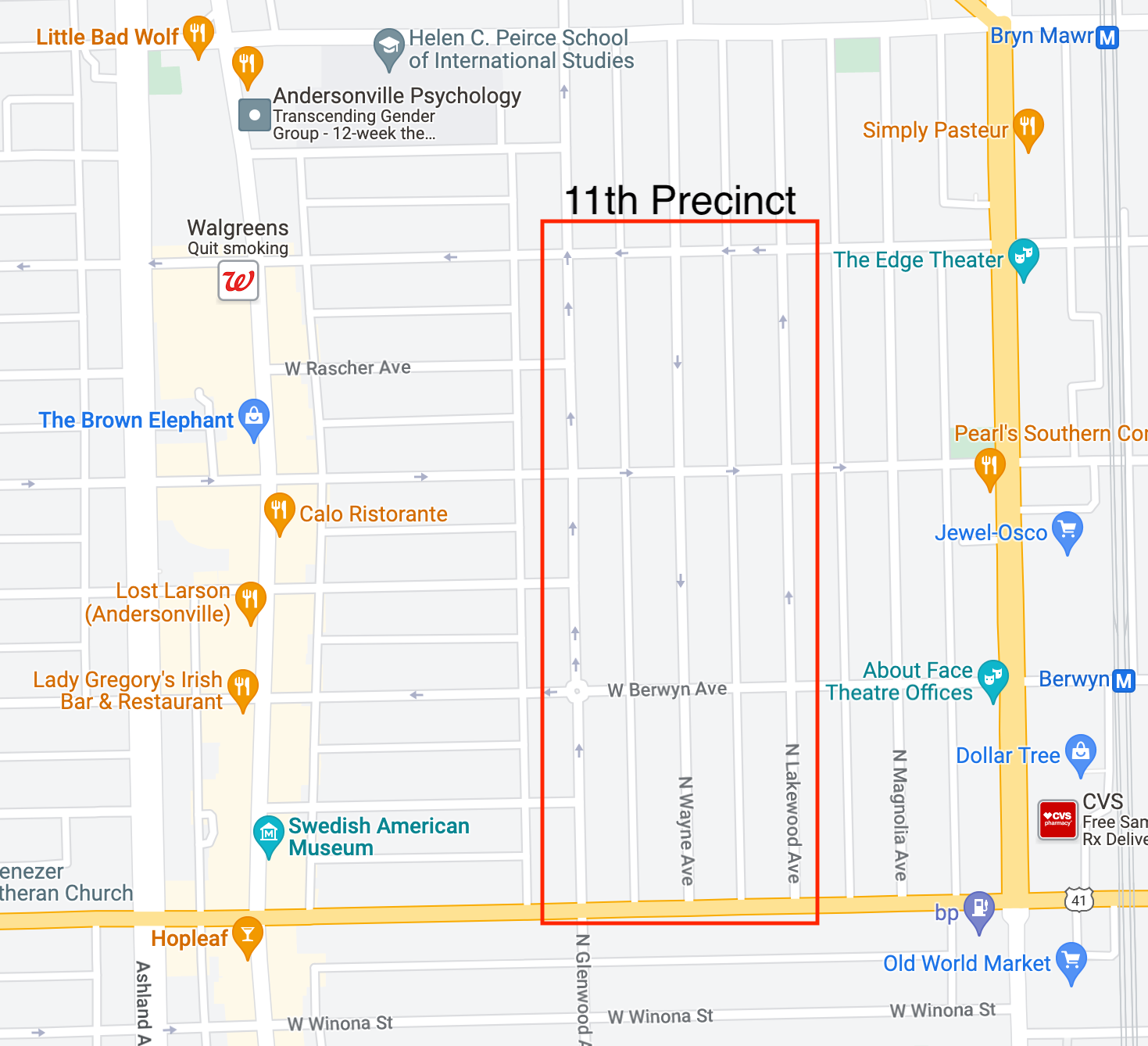
I have even further bonuses for those who live in the third kindest precinct in Chicago. It also means you live in a ward I am covering through the Gay Chicago Election Project.
Nice!
The project — which I began in late December — is my kind attempt to provide a profile to each candidate for alderperson within the 44th, 46th, and 48th Wards of Chicago. If you were unaware, the three wards, which travel north along the lakefront to Kathy Osterman Beach, will all have a new alderperson this spring — but for those who only remain Kindex curious, your rankings for these wards read 10th, 20th, and 17th.
The goal of the Gay Chicago Election Project is to document each candidate and their perspective on Chicago and its election. To accomplish this, I have invited each candidate to an hour-long recorded discussion on the broad challenges the City of Chicago will face following the election. While the discussion is recorded, I will not release any statement or excerpt of our interview without the candidate’s consent. Further, the projects' profiles are not formulaic. They contain specific details about a candidate’s history in Chicago while utilizing internet resources to enliven their perspectives and policy positions.
While the project intends to document the 2023 Chicago Election, it will not be constrained by that election’s timeline. I am also not endorsing any candidate in these wards as I recognize that talking to a stranger from the internet might not fit onto every candidate's vision board.
But will it fit after the election? I will likely find out.
To date, I have interviewed four candidates — the 46th Ward’s Marianne Lalonde and 48th Ward’s Isaac Freilich Jones, Larry Svabek, and Nick Ward (Campaign Website). What I can tell you about the interviews is that all four candidates have taught me something new about Chicago. Not just the policies, facts, and figures requisite to any political candidacy — but what brought them to Chicago, why they continue to live here, and how stoked they are to represent their ward.
If you know a candidate who I did not list, please let them know about my project. Tell them that while I am not Minnesota Nice, I sure as hell am Chicago Kind.
More of my writing:
The One about a Pride Flag in North Dakota.
The One about Malcolm Gladwell’s book Talking to Strangers.
The One about Michael Lewis’ podcast on Cheating.
Originally published on Medium.