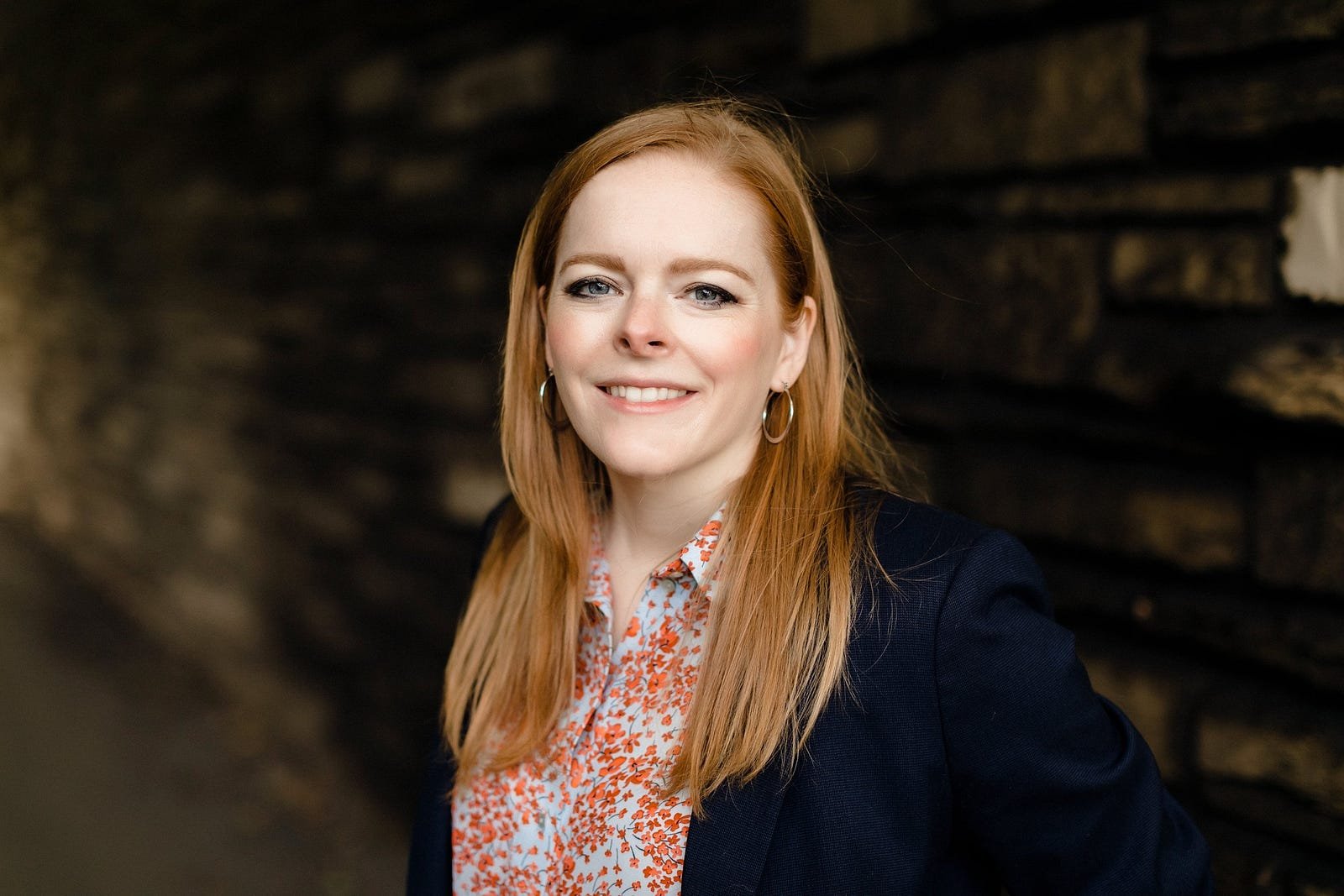
When I speak with Marianne Lalonde on Friday, January 6th, the Montgomery County Agricultural Reserve native is suiting up. Not just to run for office but to walk her dog. Both efforts require a standard yet time-consuming Chicago practice: layering. With chemistry degrees from Case Western Reserve and Northwestern Universities, it should not surprise anyone that Lalonde has found the formula to solve the winter chill of running for an alderperson in Chicago.
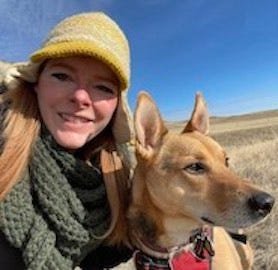
“When I ran in 2019 it was the Polar Vortex year and I would wear a pair of thermal leggings, jeans, thermal undershirt, a regular t-shirt, a sweatshirt, two pairs of wool socks, hand warmers, a down parka, fingerless gloves underneath wool mittens… You also need to carry an external charger because your phone battery will die immediately. Earwarmers. Scarf. I think that’s it.” — Marianne Lalonde
It was this formula that Lalonde’s 2019 campaign garnered 18.1% of the initial vote — enough to qualify for the runoff. And it would be in that runoff where the collective would display its stunning ground game — Lalonde would garner 4,560 new votes — falling just 25 short of the ward’s veteran alderman James Cappleman.
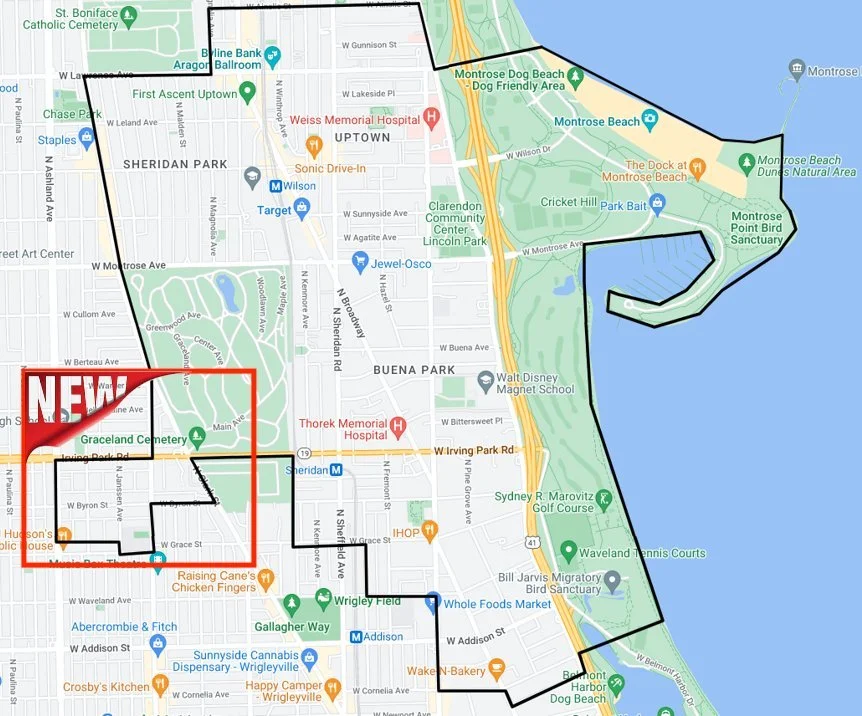
Marianne will have new ground to cover with the 46th Ward’s new southwestern bump on the opposite side of Graceland Cemetary and Arboretum. In 2023, her path to victory cleared a bit as James Cappleman decided to retire. But Cappleman’s absence should not suggest that Marianne’s decision to run again was simple.
“Honestly, I waffled a bit… I had to ask myself if I wanted to run again. It’s taxing on the candidate in a lot of ways. It’s emotionally taxing, a financial burden, and it can negatively impact your relationship with your family and friends because you are not as available as you normally would be.” — Marianne Lalonde
Lalonde said that zoning disagreements and a desire to increase funding toward sustainability were the motivators behind her candidacy in 2023. Lalonde refers to an ugly zoning battle she and the Lakeview Area Neighbors Association fought against residential development in the 46th Ward. Cappleman initially supported the development against the vote of his advisory council.
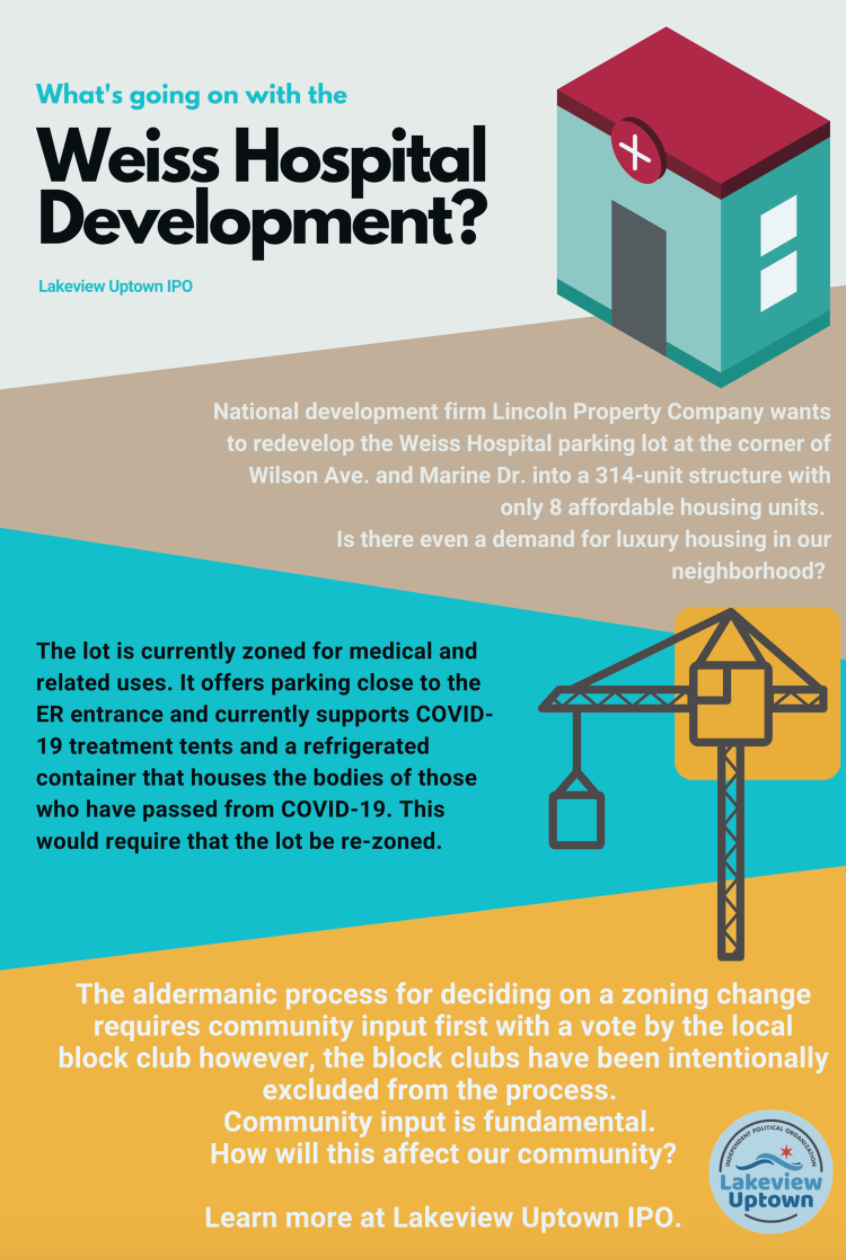
Another development turning its tune within the ward — which also was presented to the 46th Ward Zoning & Development Committee that Marianne sat on — is the five-story health center put up for Howard Brown Health. The organization recently terminated 61 union workers, which led to a three-day strike.
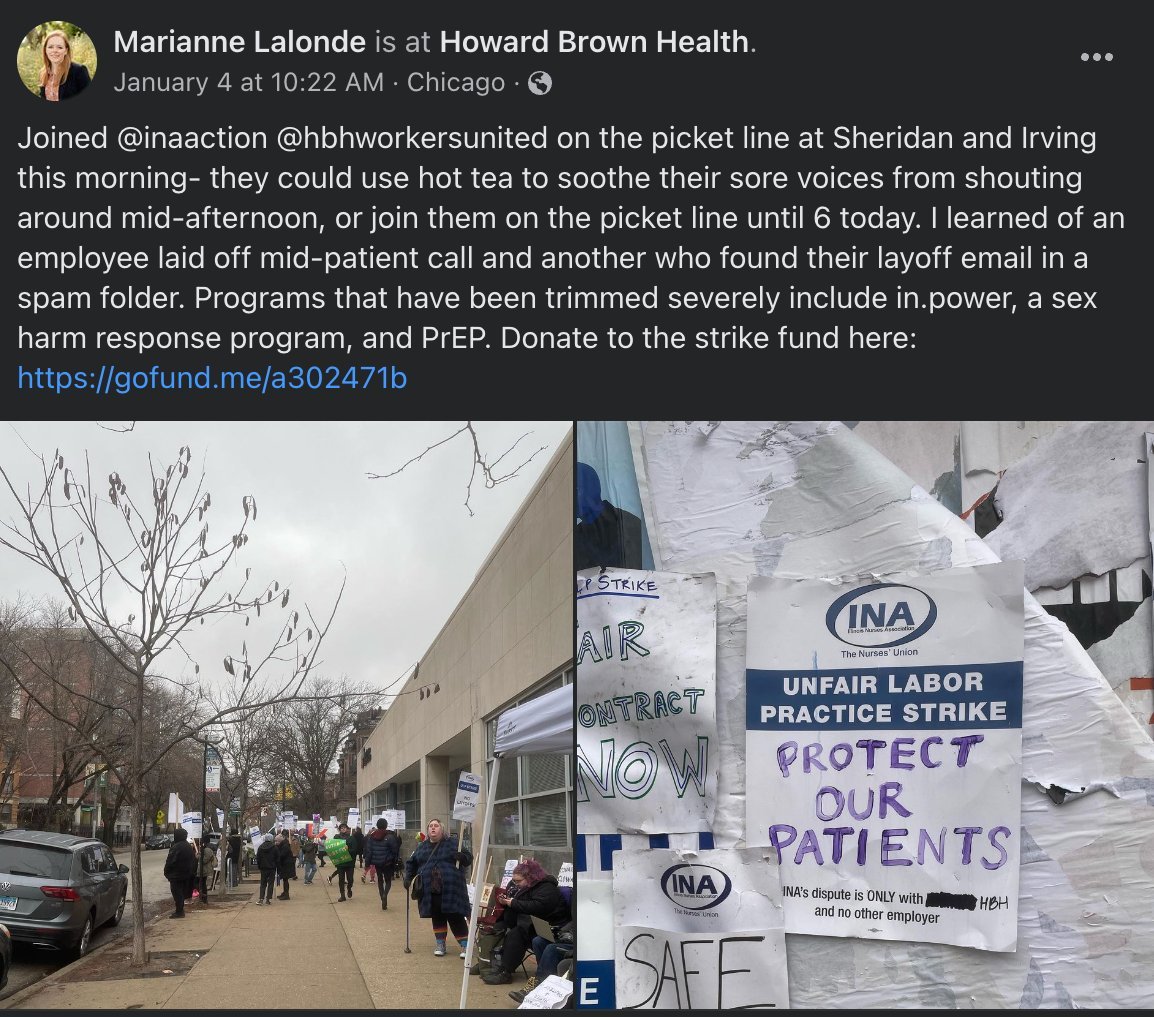
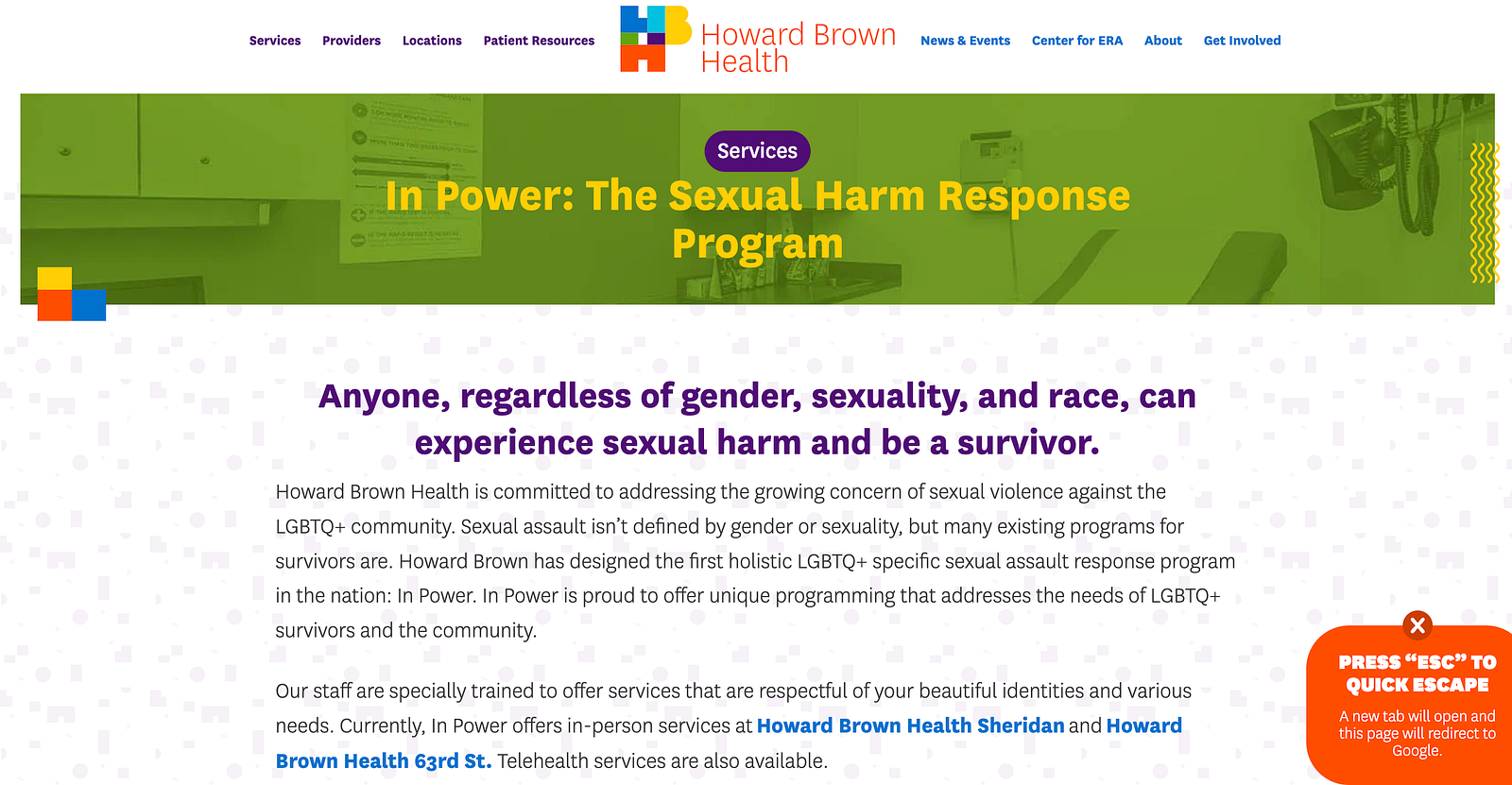
“They’ve endangered programs that are, in some cases the only type of program for that particular thing in the City of Chicago. There’s a program called In-Power, which is a queer-focused sex harm/response program and there is not another one and they have cut that down to one staff member. So, if you want a queer-focused program if you’ve experienced sexual harm and you want to have this queer focus, there is not an alternative for you to go to now. It’s really just down to one individual. To me this is like you are cutting off entire services from the queer community.” — Marianne Lalonde
“We gave them a zoning change [for the flagship on Halsted]. In good faith we said, ‘Hey, we’re going to hurt the property values of some residents doing this because we’re building a tall structure in front of a structure that already exists. But for this mission statement and this cause it is worth it. This would be a good asset to have in the community.’ And now I wonder if should we have done this?” — Marianne Lalonde
Development has become a recurring theme in the 46th Ward. Long a hot topic in any Chicago election, Aldermanic Prerogative is another standard practice where Lalonde would like to see reform.
“I don’t think it should continue. But if we’re not giving singular decision making power to the local alderman to make decisions on zoning changes, where does the decision-making power go? When we eliminate Aldermanic Prerogative, we need to come in with a viable alternative… Does it go to the mayor? That’s just a different person making a unilateral decision. Does it go to the full city council? It would be impossible for one alderman — given the level of zoning changes that happen at every city council meeting — to understand all of the different issues around a zoning change that is happening in someone else’s ward.” — Marianne Lalonde
With 2,093 housing units at 21 sites under construction, rental prices have also increased. Lalonde herself has not been exempted from the price hike. In recent years, Marianne left her apartment when the landlord raised the rent by $625. A ‘similar unit’ had apparently rented for $1,000 more just down the street.
While more market-rate apartments might further contribute to rising rents, Lalonde points out that the city should continue targeting vacancy fraud. The practice reduces taxes for owners through tax deductions bestowed on vacant property. While the Cook County Assessor’s office affords all residents anonymous whistleblowing, Lalonde wants the City Council to begin providing water usage data to the assessor’s office to afford it further actionable information.
Another difficulty that Chicagoans who need housing support face is the Chicago Housing Authority’s application and approval process. Lalonde points me to the 20th Ward Alderwoman Jeannette Taylor’s appearance on Last Week Tonight to further enunciate the difficulty of achieving affordable housing in Chicago. Too, when northside shelters are at capacity, the alternatives come with potential downsides, especially for those with local social ties.
“A lot of times [the unhoused] are offered this shelter called Pacific Garden Mission, it’s on the southside and there is a religious obligation associated with it. [Imagine] if you were to uproot your life, move eight or nine miles away when you don’t have transportation, and also have this religious obligation on top of it… We have to offer housing that meets the needs of those folks.” — Marianne Lalonde
Lalonde believes that aspects of this housing insecurity might have been or still be resolved with America Rescue Plan Act funds. Controversially, the City of Chicago has opted to use a significant portion of the funding to help exit the City from a long-standing practice of ‘scoop-and-toss’ borrowing.
“That’s not what those funds were meant to do. They were meant to help recovery. We’ve seen the damage that has not been corrected in terms of the quality of schools after the pandemic, the frayed relationship between the teachers union and the city government with the increased incidents of homelessness. These sorts of issues have not been resolved and that is what the ARPA money was for.” — Marianne Lalonde
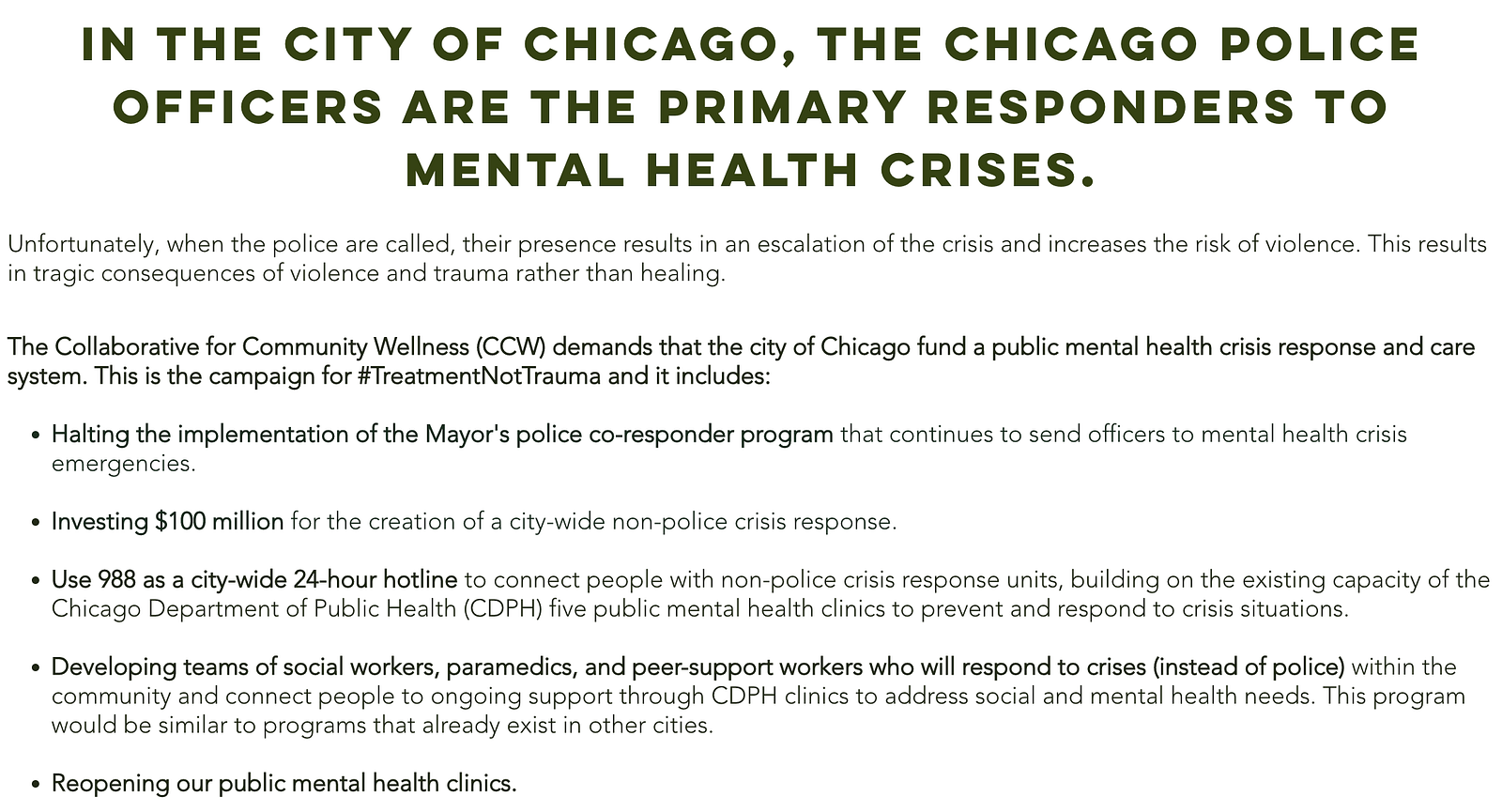
The above sits in stark contrast to public safety, which saw increased resources as part of the ARPA stimulus. While Lalonde hopes the Fraternal Order of Police decides to elect another President, her primary focus will be to work with the new Empowering Communities for Public Safety officials. As regards changes to the Chicago Police Department, Lalonde eagerly awaits the release of the findings from the University of Chicago’s Police Workforce Allocation study. But as a matter of policy, Lalonde favors the Treatment, Not Trauma Ordinance as proposed by Alderwoman Rodriguez Sanchez.
Another example where Lalonde sees an opportunity to utilize ARPA funds better is at Uplift Community High School. Today a selective enrollment school with more space than students, some want to change the designation to a neighborhood school. The neighborhood school for students living in the 46th Ward is currently Senn High School and students must apply to attend Uplift using GoCPS.
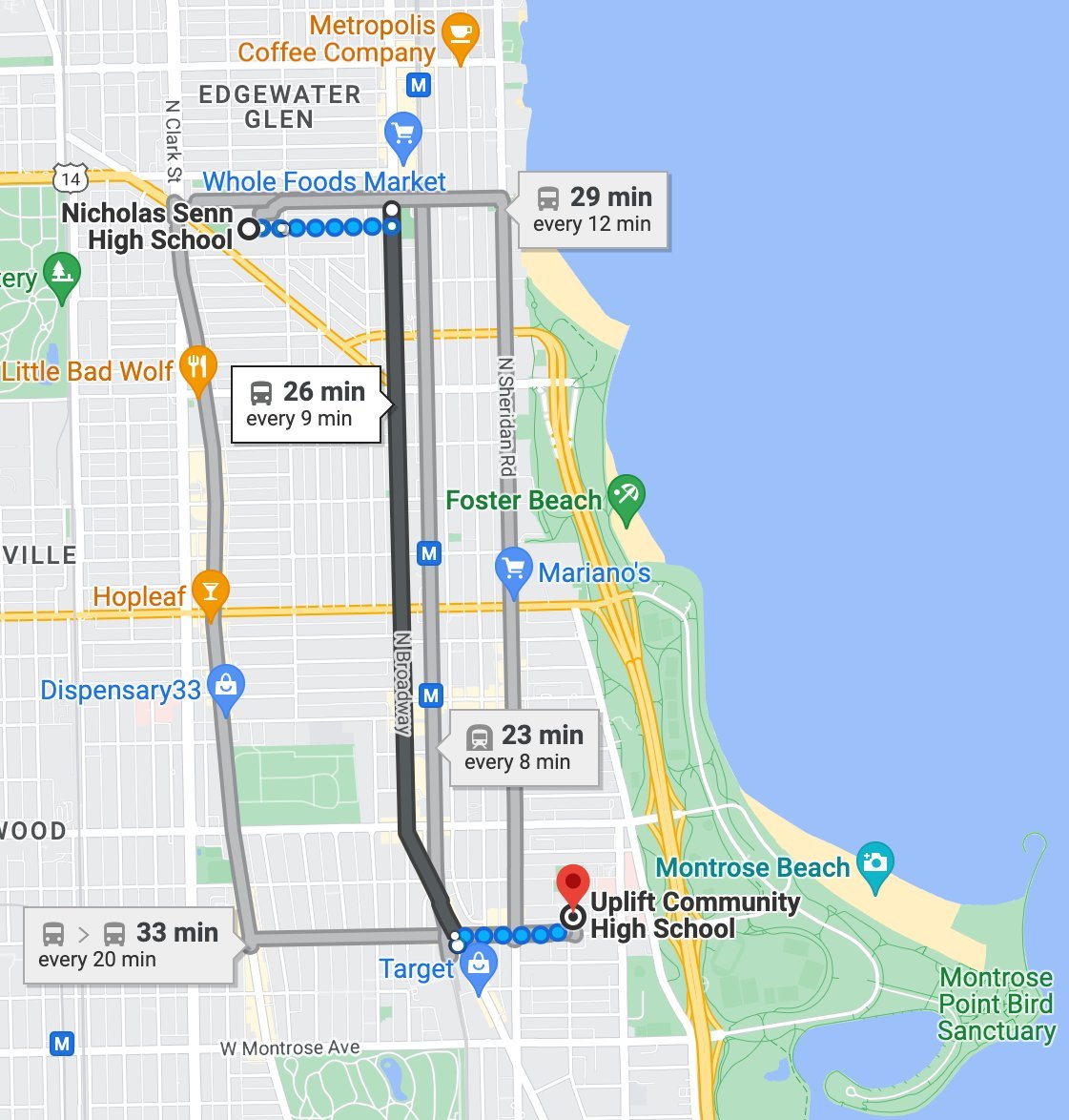
“We’ve been trying to drive up the population [at Uplift] for quite some time. It’s got just over 100 students right now and a capacity for 900… I have a problem with conversion to a neighborhood school in an immediate sense. We’d basically be taking kids from our neighborhood and saying, ‘Actually, you have to go to an underperforming school so the school can get more resources and improve quality.’ That’s the wrong order. We should be saying, ‘What can we do to improve this school in quality to make it attractive enough to be our neighborhood school versus let’s put the students there and put the responsibility onto the students.” — Marianne Lalonde
Chicago’s 2023 elections take place on Tuesday, February 28th.
Run-off elections will occur on Tuesday, April 4th.
This project aims to document the eighteen individual perspectives and backgrounds of alderperson candidates running for office in Chicago’s three contiguous and LGBTQ+ populated wards during the 2023 Election cycle. &, if necessary, beyond.
More of my writing:
The One about a Pride Flag in North Dakota.
The One about Malcolm Gladwell’s book Talking to Strangers.
The One about Michael Lewis’ podcast on Cheating.
Originally published on Medium.