
During the COVID-19 shutdown, local animal shelter operators exclaimed dogs were “Going like hotcakes!” Pups filled homes in need of company and as an excuse to get outside. I want to provide new dog owners experiencing their new furry friends with my own best practices.
I grew up with many dogs but only took action as an adult after meeting a one-year-old thinly-stuffed freestanding cowhide rug named Pilot. What comes through after living with Pilot is her desire for companionship. If you watch any Dodo videos, you will know she is not alone. These are awesome work-from-home dogs full of giggle-inducing eccentricities. But the ongoing discussion of their temperament is not without merit.
I want to caution that my best practices are attuned to Pitbulls. Pitbulls have a reputation as the 21st century’s boogie-dog, and this article will approach what you should expect before picking up your cuddle monster. I hope the below ten pieces of advice help you with any dog you wish to have.
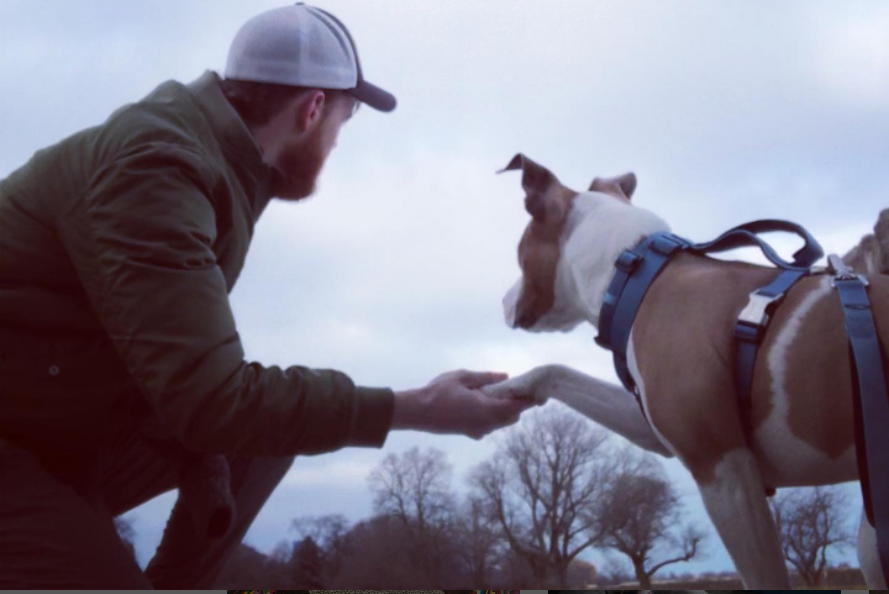
1. Commit to The Bit, Walk Your Dog, & Stack Their Deck
Yay! You just got your dog from a rescue, breeder, or because it looked at you the right way. You decided, so plan to warp your life around that choice. A general rule I have heard concerning puppies is that you should expect to get them outside every hour for the total months they have been alive. If potty training concerns you, adoption can allow plenty of time to experience big puppy energy without small puppy puddles.
Walks will not be simple. I live in a dense neighborhood where a walk without seeing another dog is rarer than an open lot of property. It can be a fun idea for your dog to meet every potential friend, but it only takes one enemy to spoil the experience. This is not to say you want to avoid these meetings at all costs, but you can plan for tail wags.
When you walk by another dog and nothing happens, it is a neutral experience, and your dog will forget it within seconds. But if you have seen two dogs walk by each other, nothing happening is about as rare as a Black Lotus. Dogs stare, whine, bark, lay down, and growl. When that happens, other dogs notice.
Much like card counting, an accumulation of these experiences builds toward your dog’s temperament upon sight of another dog. Dogs are simple with experiences. Good or Bad. +1 or -1. The difference between many card games and dog-to-dog interactions is that you can stack the deck with treats. Every dog will bear proclivities to certain food items over others, but I have found that small dry treats such as these Milk-Bone products (A) (A) are perfect for throwing into my pocket as I walk out the door.
When your pup sees another dog, give them a treat. +1
Give your pup a treat when your pup plays or sniffs well with another dog. +1
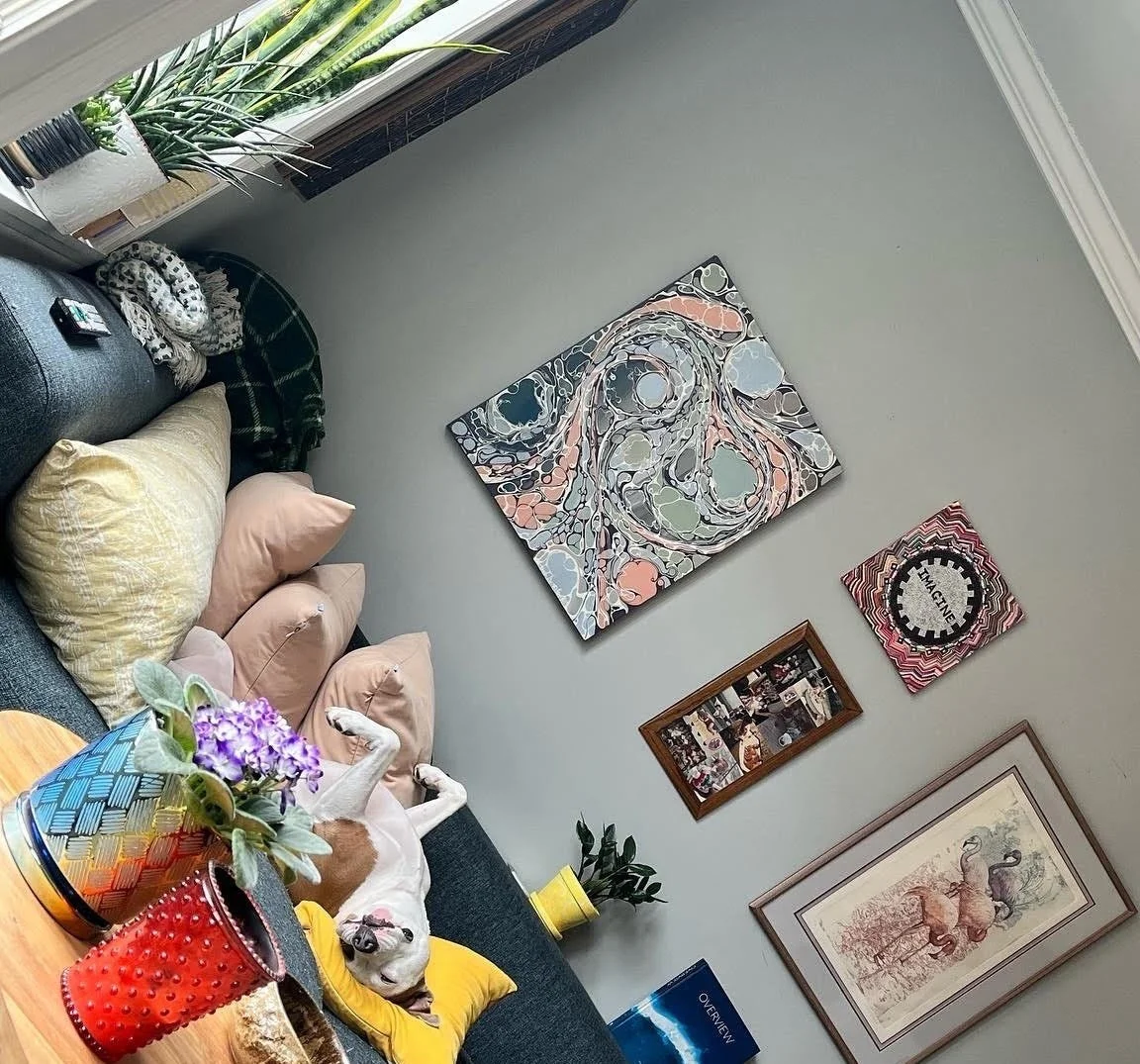
2. Setting Up Your Home Up For Success
Before you permanently bring a dog into your home, there is a lot to consider. Crate training is important to provide security for your dog; some will want to remain there in times of stress. Make this as comfortable and spacious a situation as possible and let time determine if the practice should continue.
You need to be successful too. I have succeeded in leaving grabbable treats by the door where Pilot’s leash hangs. I also store (A) her food behind her food dish (A) and water bowl (A) in the corner of my home where I frequent, which is secluded enough to close off and provides security when her friends visit. Consider buying a small Omega-3 fatty acid supplement (A) to spray on kibble; your dog needs oil to keep their coat shiny and will enjoy the variety it adds to their meals.
Going about your daily routine of walks and nutrition should be as simple as possible. I recommend a standard leash (A) with a front-leading harness (A). It takes practice, but you can utilize your fingers to lead your dog where you want them. A front-leading leash might seem unnatural, but from my experience, there is nothing that comes close to the level of control and confidence both you and your dog can maintain. The harness offers comfort for off-leash activities, should you ever need to remove your dog from the situation. Wall hooks (A) are also great to place on the outside door to place the leash and harness on.
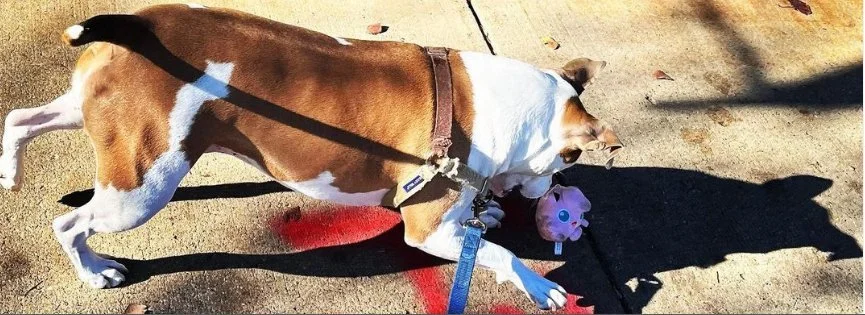
3. Figure Out Your Pup’s Fight or Flight Response
There ARE exceptions to committing to your dog. I could only adopt Pilot because her first adoptees returned her after adoption. Pilot had attacked the home’s resident dog, which was a problem. These situations are dealt with best in consultation with your adoption agency or another professional in the field.
You can train around impulsive or aggressive behavior by, you guessed it, stacking the deck. If your dog is particularly drawn to other interactions not walking by your side, take a treat to your dog’s nose and lead them away. If you practice enough, they will look at your hand when they see another dog. Another dog means treats! Yay!
Understanding where your dog sits on the fight or flight spectrum is an ever-evolving measurement of equal parts general temperament, proximity to uncertainty, opportunity to engage, and specific dog and breed-related memories. Over time you will learn these items for your dog, but see Pilot’s below:
General Temperament:
Pilot is good with one dog.
Pilot is bad with more than one dog and… wants to like cats.
Pilot is comfortable with people, puppies, and big dogs.
Proximity to Uncertainty:
Pilot dislikes skateboards, too many non-humans, and the vacuum.
Pilot likes a close but not tense leash, sitting to receive a treat, and me.
Opportunity to Engage:
Pilot remembers the dogs and their breeds which she has previously fought.
Pilot forgets every dog her owner never introduced to her.
Specific Dog & Breed-Related Memories:
Pilot dislikes other Pitbulls, Hounds, and small but aggressive dogs.
Pilot likes Retrievers, Sheep-herding dogs, and her friends.

4. Make Space For Friends!
Dogs are social animals. With some exceptions, dogs love meeting new people and other pups. There are many best practices to these introductions, but some simple understanding to follow to ensure your dog behaves and enjoys themselves. Socialization is an important part of your dog’s upbringing, and introducing them to a wide variety of people and other dogs between 3–12 weeks of age is encouraged. This variety will decrease as they age, but success breeds success with socialization.
For People:
1. Your dog is always lowest on the totem pole and are not entitled to attention. They should be the last to meet those you welcome to your home.
2. If your dog is a jumper, ask your friends to turn and walk away. Jumping behavior is a request for attention, which does not have to be honored.
3. When your dog is behaving, give your friends treats for your dog. Simple tricks to get these treats will establish a relationship your dog is familiar with.
4. If your dog is shy, let them approach your friends on their own terms and request your friends do not approach your dog.
For Dogs:
1. Find friends with dogs you know to be friendly first. You can test these limits as you understand more about your dog’s temperament.
2. Meet in a neutral space by taking both of your dogs out for a walk.
3. Avoid pulling your dog away or tense leashes unless a fight begins. If a fight begins, leave the situation. It is not a match.
4. Remove toys from the indoor space the dogs will be sharing. You can introduce a few toys as you and the dogs become comfortable with the interaction.
5. If the situation is new for your dog, avoid leaving them alone.
6. Treats, treats, treats, treats.
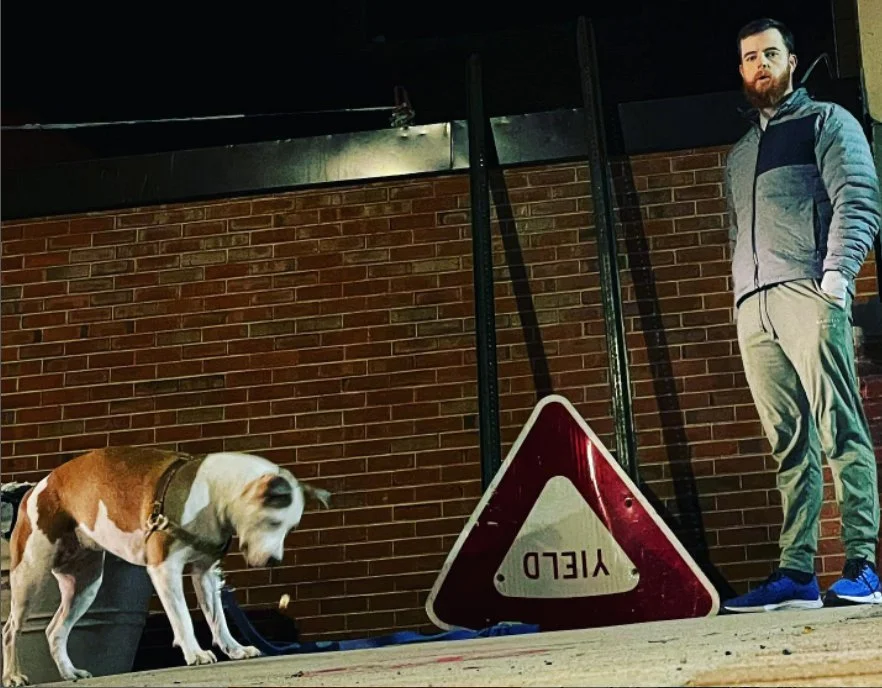
5. Wait, Isn’t That a Lot of Treats?!?
Yes, this can be a lot of treats. I believe that a well-varied diet of treats, table scraps, and kibble serves her overall health better than just kibble. Keep higher value treats like meats and cheeses at home for new or difficult training. Dogs are obsessed with peanut butter, and I reward Pilot after walks with frozen peanut butter bones — leftover and made with these (A) meat bones. I give these to her after walks, so she has a positive first experience of getting home from her last adventure and something to do as I move on with my day.
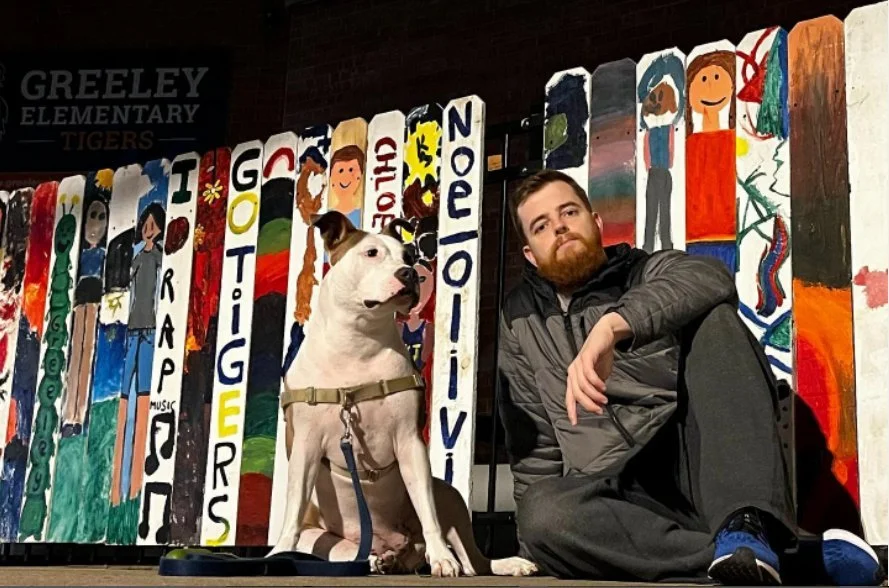
6. Get Your Dog an Education
👏 Training 👏 Is 👏 Fundamental 👏 To 👏 A 👏 Dog’s 👏 Happiness 👏
Treats should not just replace a dog’s boredom. Make them work for it! The first thing Pilot learned when we went to training was that she got a lot of treats. As you might guess, this was a fabulous development for her. I was also fortunate enough to train Pilot in the same class as a dog who was deaf. Dogs do not naturally establish eye contact, and watching a dog who could not hear taught me the power of sight. Dog to dog, eye contact can be a sign of aggression. But in training, eye contact can be the easiest way to direct your dog to behavior that suits both of you.
Here is a simple method to teach your dog to establish eye contact.
1. Take a treat in your hand.
2. Show your dog you have a treat.
3. Ensure your dog is interested in the treat by circling it like an airplane.
4. Once interested, hold the treat out to your side.
5. Wait until your dog looks at you.
6. If your dog doesn’t look at you, take a break and start back at Step 1.
7. When your dog looks at you, you should:
— — — Give your dog the treat.
— — — Make a variety of baby sounds and coo praise.
— — — Do it again.
Pilot turned a corner with training and household life around when we began this ‘trick.’ Once your dog’s eye contact deck is fully stacked, you can draw all sorts of card tricks out of your dog.
Local trainers can help, and the return on investment is vast.
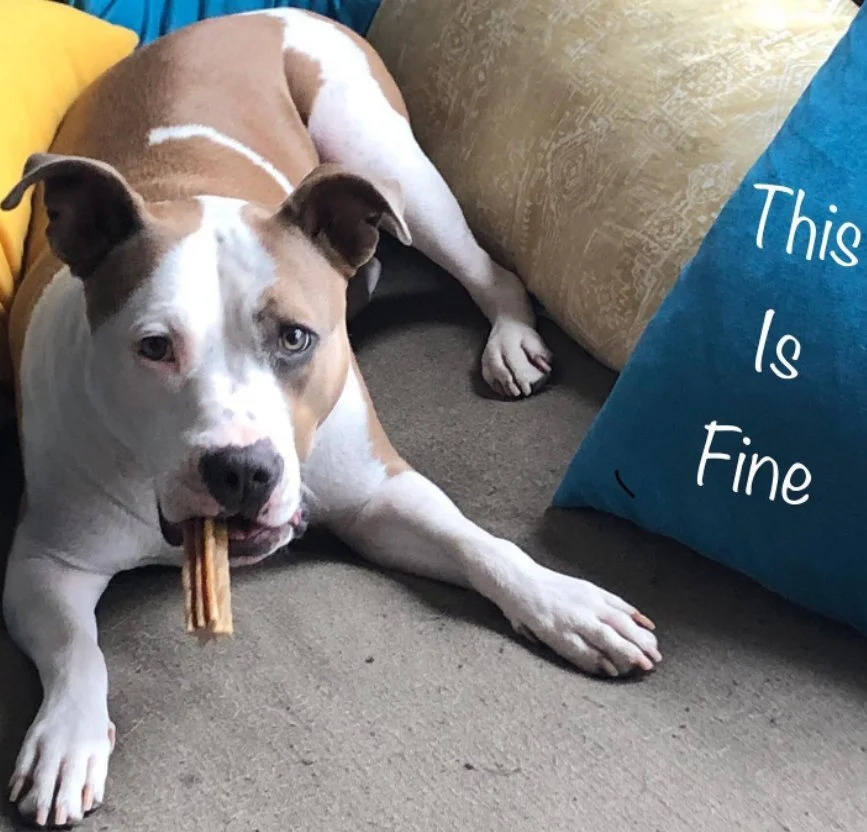
7. Most of Your Dog’s Interests, Including Food, Will Change
Training is a wonderful and deep space to explore. I am Pilot’s biggest advocate, but she would not beat my grandmother’s namesake at a Cruft’s obedience competition. All dogs are capable of deep exploration of obedience training, but it is up to you how far down the path you both will go.
Most dogs are happy as a clam just being a ham.
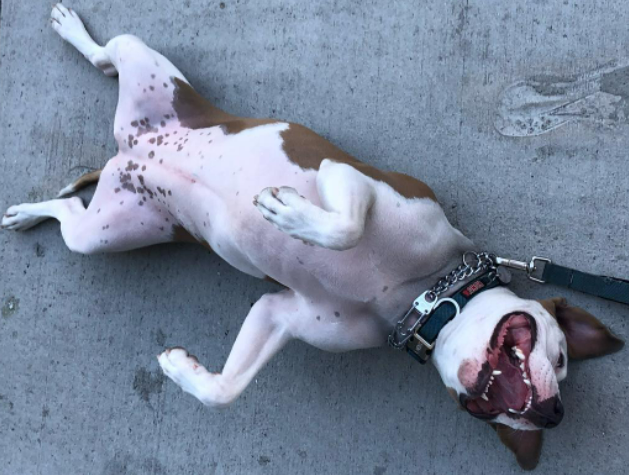
Pilot’s interests have evolved as she has gotten older. I like to leave her puzzles (A) or hide treats when I leave home to keep her distracted and encourage exploration. Despite my links, you should evolve your dog’s toys at your local store to gauge whether a specific toy will maintain your dog's interest. I do not encourage box-of-the-month clubs or deliveries. Both are wasteful, and remove your dog from the entertainment conversation.
Once you get a handle on what interests your dog, engage. Tug-of-war? Running on a trail? Sleeping on the deck? Playing with the neighbor’s dog?
Adventures to thrift stores?
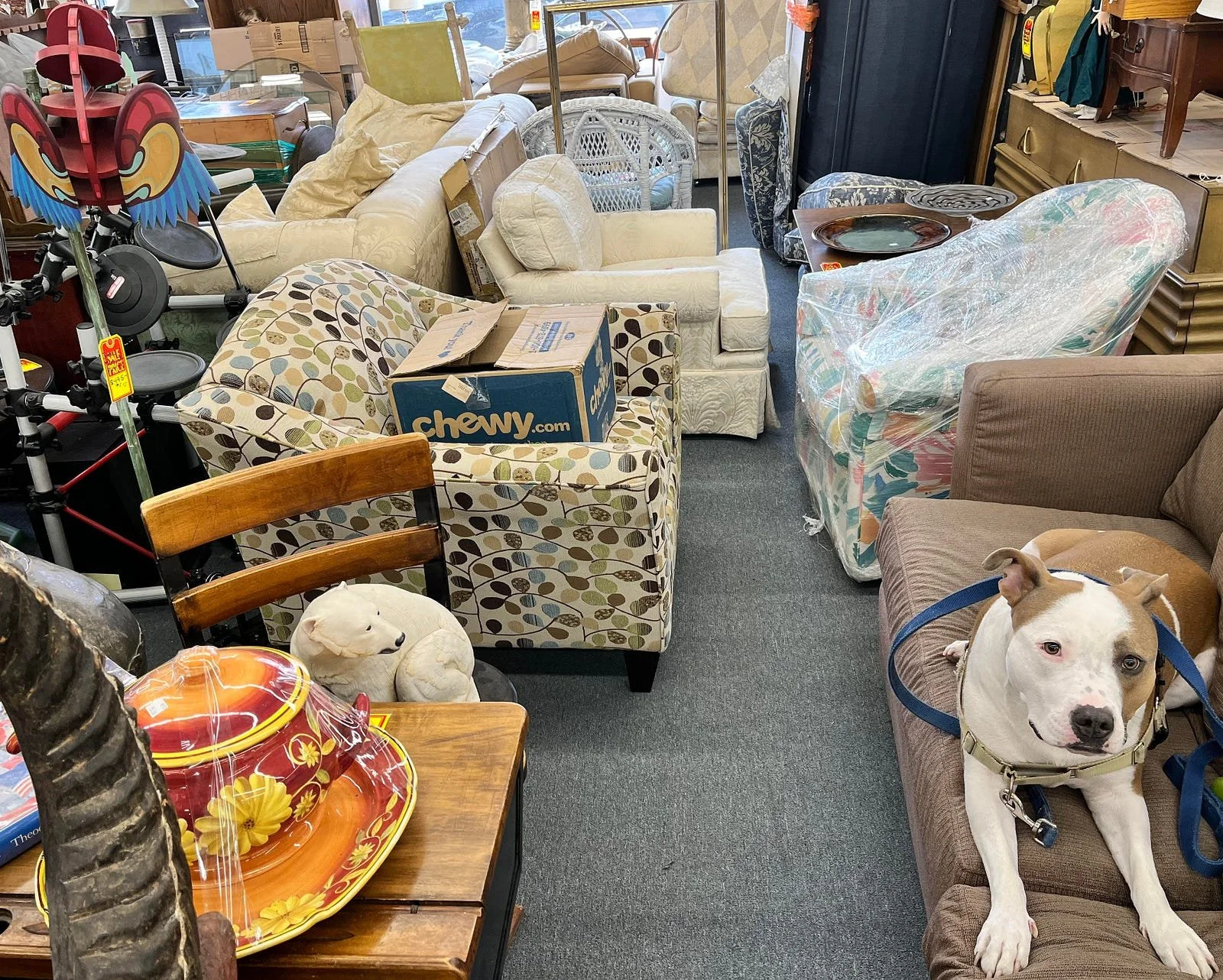
Well, not everything will work out.
Your dog will appreciate doing anything outside the home where they spend so much of their life. This pervasive rumor is that curiosity is only for cats, but Pilot would beg to differ. There is plenty of adventure outdoors, and Pilot has already won three boss battles to her credit.
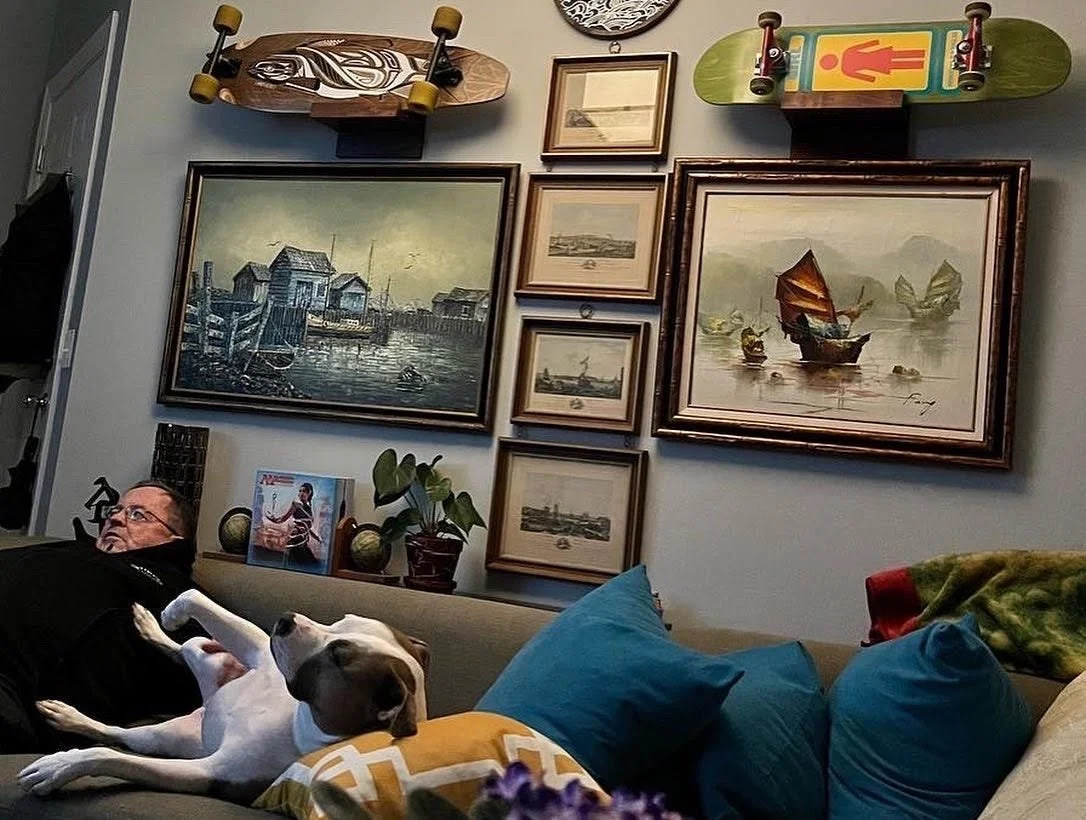
8. Take Full Advantage of Your Family & Friends
If you love to travel a dog might seem like a hindrance, but they do not have to be. Like you, your friends, family, and dog will love a change of pace. I find that as long as you open up your home or train your dog to behave at others, a dog-sitter is just one call away. After a few introductions, your pup will be ready and willing to watch their favorite pup friend.
If the sitter is going to be staying at your home, set them up with printed instructions on how to best interact with your dog, including the training and walking patterns you have set up, plenty of treats, and overmuch thanks by way of creature comforts to their experience such as clean towels, freshly washed bedding, and some spending money for their weekend with your pup.
If your sitter is having your dog at their home, make sure you provide enough food, treats, and a new-ish set of toys for them to entertain your dog with. If you would use a toy over the same period with your dog, your sitter should have access to that from a sturdy and compact bag that you provide.

9. Plan For Unplanned Emergencies
You should not plan to be a perfect dog owner, but poisonous foods and impromptu dog fights are something you should be ready to respond to.
When considering treats, check out what dogs cannot eat here. If you want to be ready in case you need to induce vomiting, skim these recommendations, and buy 3-percent hydrogen peroxide solution (A) and a feeding syringe (A). Use 1 teaspoon per 5 pounds of your dog’s body weight, but only in emergencies. I have not needed to act in this capacity, but if any of my readers have, I would be happy to update my article to reflect their experience.
Dog fights require a fast and assertive reaction. Bad situations at dog parks or with questionable introductions on the sidewalk can derail your day. It can worsen, even leading to a government order to put down your dog. You need to be prepared to act to prevent these types of interactions. I have found that medication and hemp treats (A) also help, but avoid the other dog when in doubt.
Should a fight occur, separate the fighting parties and do not be gentle. If possible, pull out and up on the back legs of the engaged dogs and consider other options to distract them from their engaged interest in a fight. You may need to hit your dog to accomplish the separation. Once separated, these dogs should be able to engage in the immediate term. Do not hit your dog after the fight; it serves no purpose and is not beneficial.

10. Owning a Dog Sounds Like a Lot of Pressure
Owning a dog can feel oppressive at times. It is important to remember that this is how you, as a dog owner feels, and not what your dog feels. My last piece of advice is to lean on the limits of how your dog thinks — it is better for both of you and will provide solace if and when times are tough.
To that point, this article is not intended to answer all your questions about dog ownership. Your local professionals are far more adept at pinpointing opportunities for improvement and have the advantage of meeting your dog in person. Always consult your local vet, trainer, or another professional when in doubt. Trust these professionals; they put their livelihood behind the purpose of what is best for you and your pup.
Thanks for reading! If you like this work, see where else I am Extra.
The One Where North Dakota Gets Mad About a Pride Flag
The One Where Michael Lewis Examines ‘Cheating’
The One Where You Want To Get in Shape
Originally published on Medium.